Work from a knit tech pack
Provide yarn, gauge, stitch, panel measurements, trims and artwork.
Knitwear manufacturer
Develop private-label men’s knitwear by approving yarn, gauge, stitch structure, panel measurements and finishing as one connected specification. Cynida can review a knitwear tech pack, assess a reference garment or organize a clear visual concept into a sample brief before yarn sourcing begins.
Crewnecks, knit polos and lightweight knit tees can be planned for layering, resort or core seasonal ranges. Start from 50 pieces per design, plan 7–10 days for a first sample, and allow 15–30 days for bulk after sample approval and material readiness.
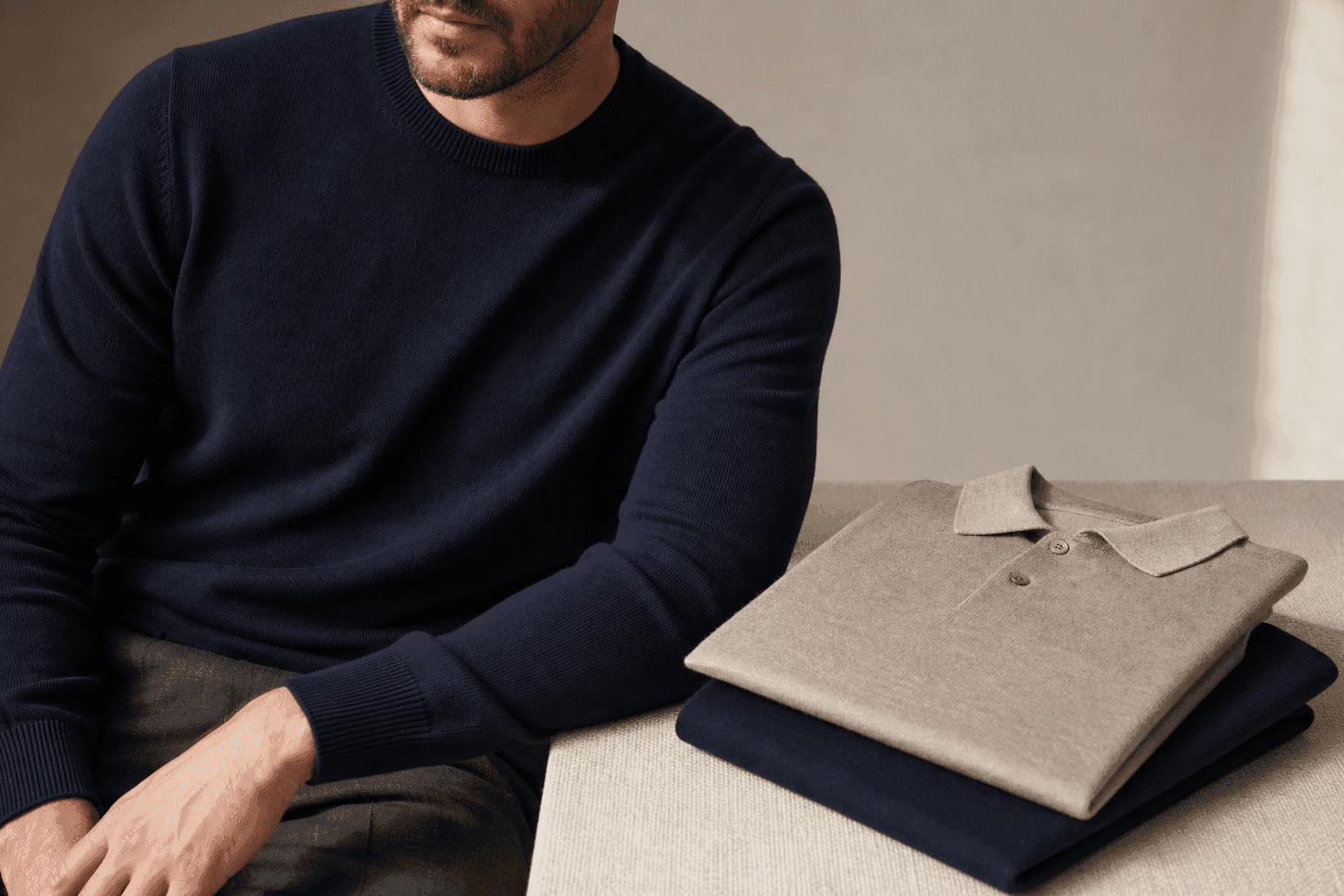
Category sourcing brief
Approve yarn, gauge, stitch tension, linking, rib and finishing together because each affects dimensions and hand feel.
Provide yarn, gauge, stitch, panel measurements, trims and artwork.
Identify the fit, hand feel and stitch details to document.
Supply clear views plus yarn, gauge, measurements, stitch and finishing.
Current product directions
Use current crewneck and knit polo references to discuss yarn, fit and details before approval.
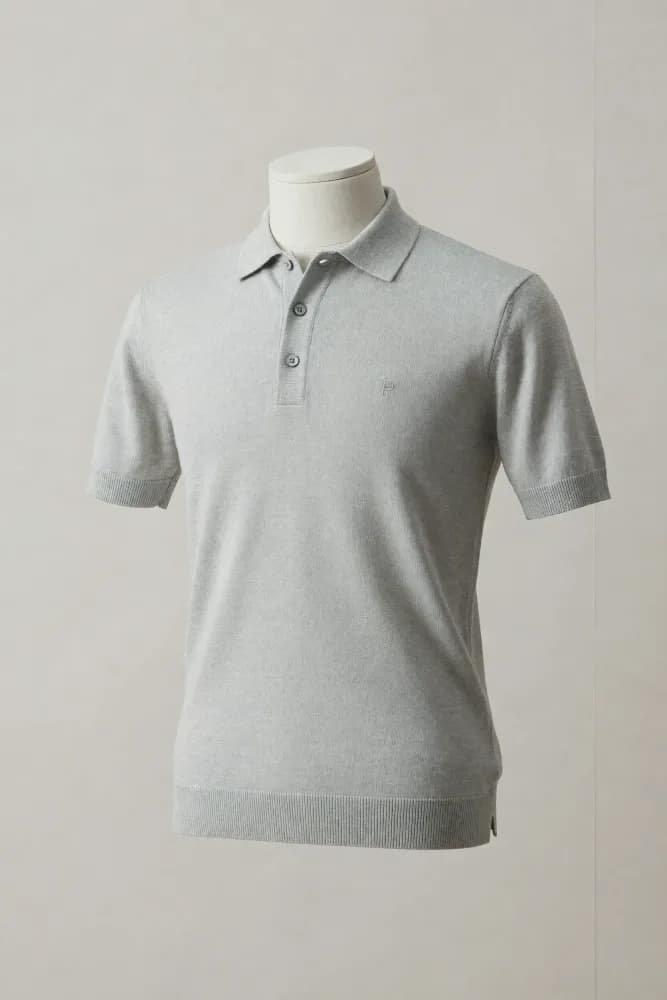
Tailored fit
A pearl-grey short-sleeve polo with a three-button front, ribbed edges and neatly placed side vents.
Best for: Smart-casual assortments, member-club merchandise and polished hospitality programs.
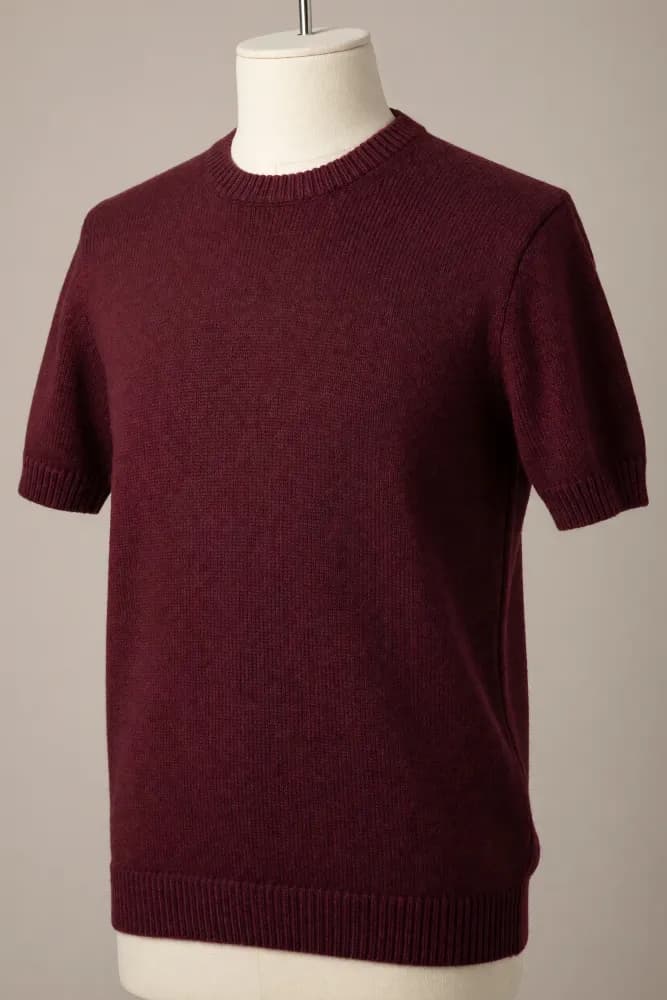
Regular fit
A burgundy crew-neck tee whose pronounced neck, sleeve and hem ribbing frames a regular silhouette.
Best for: Autumn color stories, elevated teamwear capsules and boutique lifestyle separates.
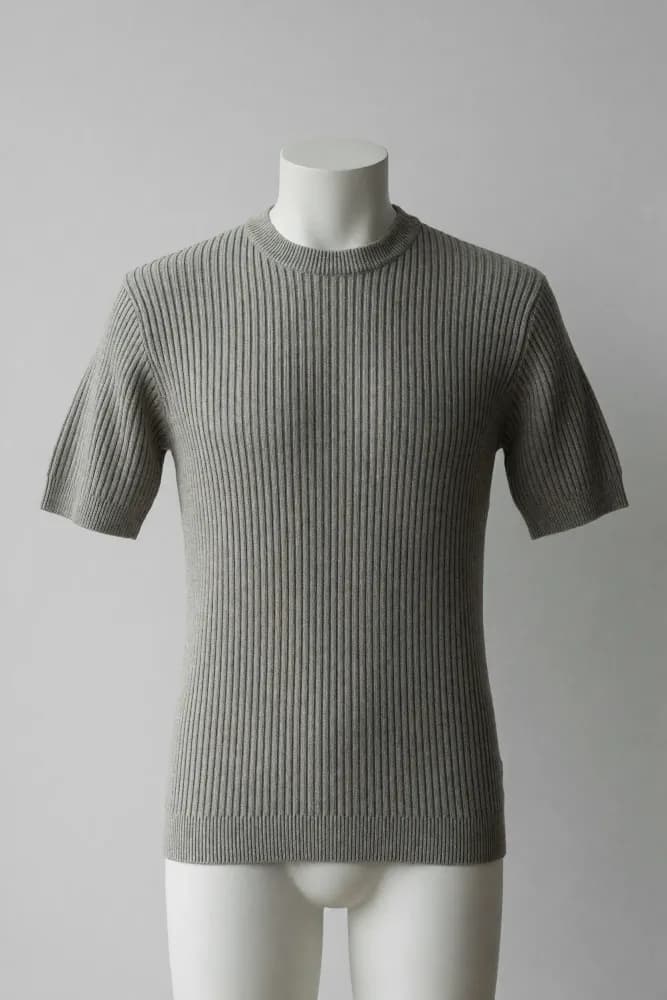
Slim fit
A close-fitting silver-grey knit tee defined by uninterrupted vertical ribs from neckline to hem.
Best for: Refined layering programs and texture-led private-label separates.
Material decision desk
Review yarn and structure together; confirm unknown specifications during sourcing.
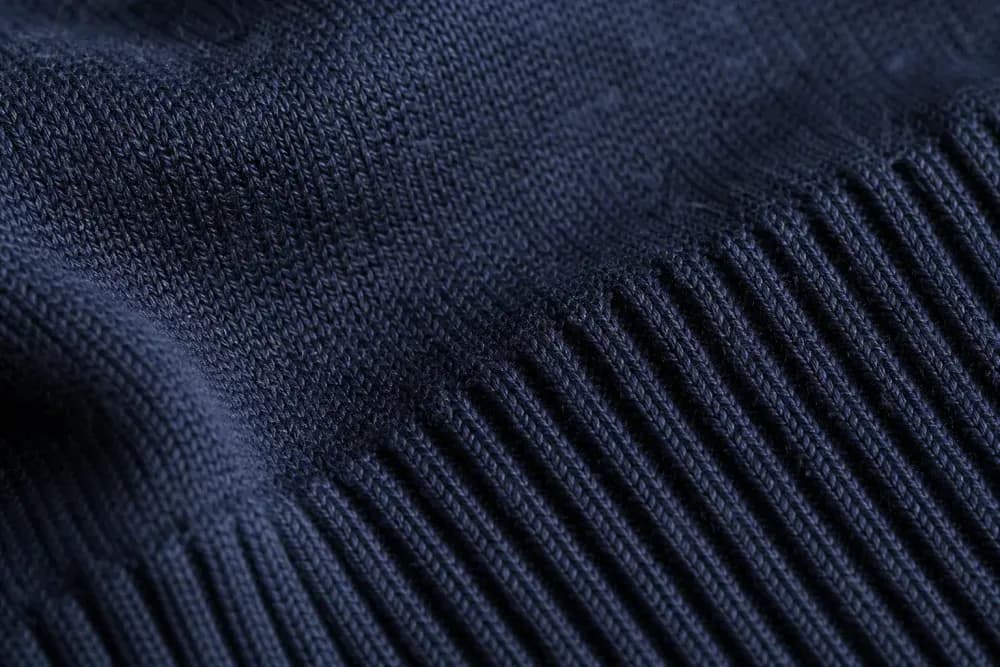 01
01Temperature-regulating yarn with refined stitch definition.
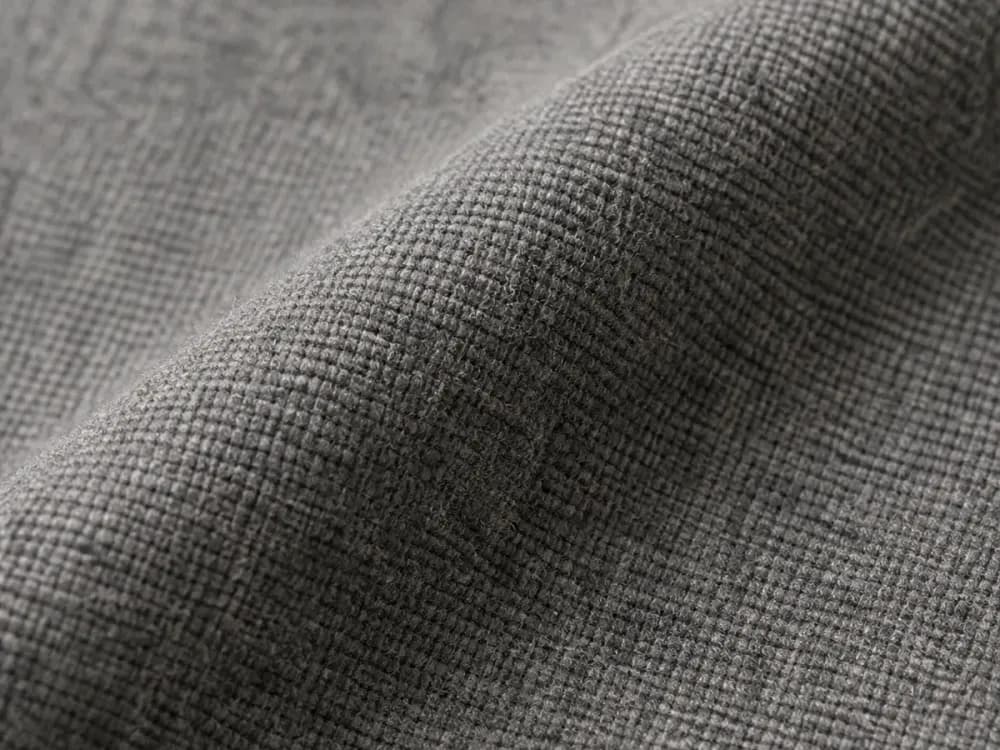 02
02Natural temperature regulation for knitwear, overshirts and cooler-season trousers.
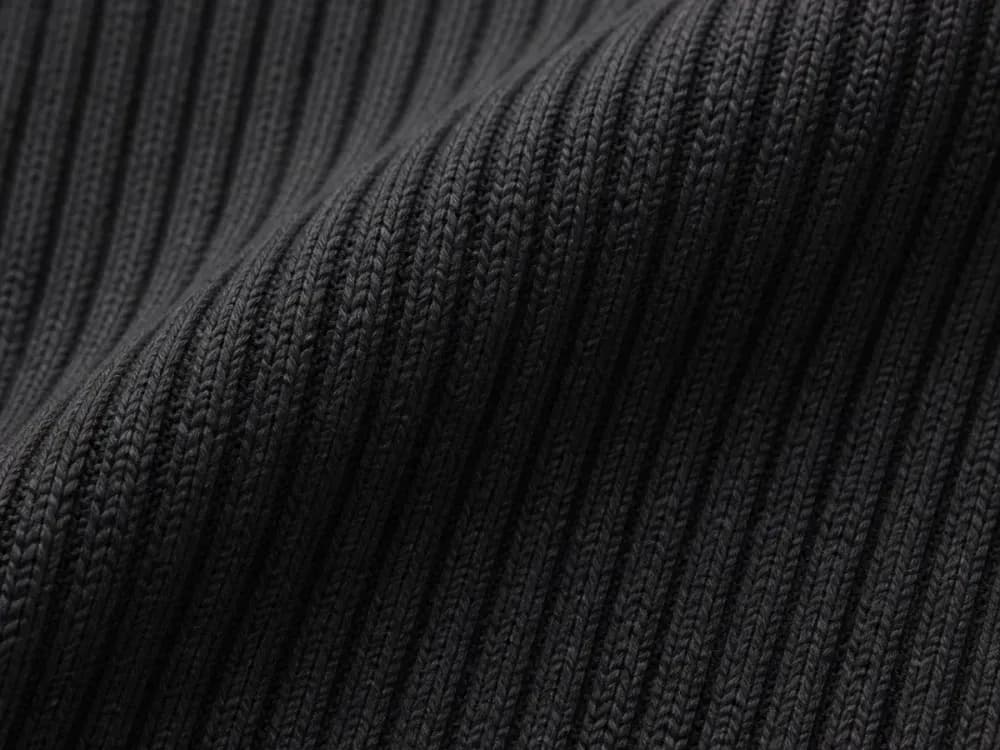 03
03Elastic rib structure for collars, cuffs, knit polos and fitted smart-casual layers.
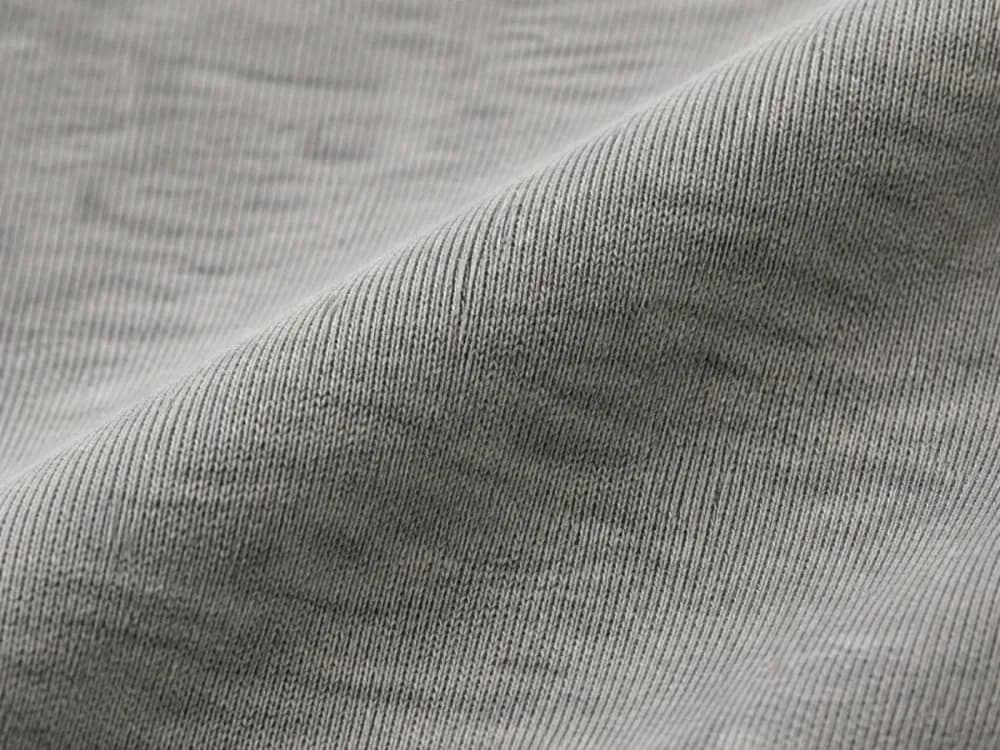 04
04Soft knit construction for premium tees, polos and casual layers with natural stretch.
| Fabric / knit reference | Current specification | Best for | Why choose it | Control before approval |
|---|---|---|---|---|
| Fine Merino | 100% merino wool · 190 GSM | Refined crewnecks and layering knits | Fine fibers support clean stitch definition. | Approve yarn lot, gauge, care and dimensions. |
| Wool | Composition and weight: Confirm during sourcing | Cool-season sweaters and textured layers | Natural loft supports cool-season layers. | Confirm blend, hand feel, color and stability. |
| Rib Knit | Composition and weight: Confirm during sourcing | Necklines, cuffs and hems | Elastic structure shapes garment openings. | Approve relaxation, stretch, attachment and color. |
| Jersey | Composition and weight: Confirm during sourcing | Lightweight knit tees and polos | Simple structure gives clean, adaptable drape. | Review edges, growth, twist and measurements. |
Specifications shown here are sourcing references. Exact composition, GSM, finish and color are confirmed with the mill specification, approved fabric swatch and project tech pack before production.
Build the approved specification
Specify silhouette, knit engineering and brand finish together.
Size-chart checkpoints
Condition consistently, then measure the relaxed knit flat.
This is a development measurement schedule, not a stock size chart. Approval basis: the buyer-approved tech pack, graded size chart and PPS. Final values and tolerances follow the approved project specification.
| Measurement point | How it is checked |
|---|---|
| Chest width | Measure below the armhole without stretching. |
| Body length | Measure high shoulder point to hem. |
| Shoulder width | Measure between approved joining points. |
| Sleeve length | Measure joining point to cuff. |
| Neck opening | Measure relaxed opening by the agreed path. |
| Hem width | Measure relaxed rib without stretching. |
Have a tech pack, garment or reference image?
Share what is already confirmed and identify what still needs development. We will review the gaps before recommending the next sampling step.
Sample to bulk
Approve yarn and panels before bulk knitting.
Confirm style, season, quantity, fit and price.
Compare composition, count, color, feel, gauge and trims.
Review panels, stitch, fit, linking, rib and closures.
Condition, measure and consolidate technical comments.
Lock yarn, gauge, measurements, workmanship and labels.
Check knitting, linking, finishing and packing.
Category-specific QC
Inspect yarn consistency, panel dimensions and finishing.
| Risk point | Inspection method |
|---|---|
| Gauge variation | Compare stitch density and panel measurements. |
| Linking defects | Review joins for alignment and security. |
| Rib relaxation | Check neckline, cuff and hem after conditioning. |
| Dimensional change or twist | Compare dimensions and seam direction against the approved baseline after the specified wash, steam or resting condition. |
| Surface pilling | Use an approved method when pilling is specified. |
| Yarn-lot inconsistency | Verify each yarn lot against the approved color and hand standard; keep lots segregated unless mixing is approved. |
Approval basis: production follows the buyer-approved tech pack, graded size chart and PPS. Project-specific test standards apply only where agreed and documented. Final tolerances come from the approved project specification; no default numerical tolerance applies. Performance, wash and durability claims are reported only when a project has the relevant test record.

Development reference
Use this product to discuss fit and knit details. This checklist is not a customer program or test result.
View the Fine Merino Crewneck directionApprove yarn composition, count, gauge and color.
Set panel measurements and shoulder construction.
Confirm linking appearance and rib proportions.
Lock conditioning, care labels and packing method.
MOQ, timing and quote variables
MOQ starts at 50 pieces per design. Standard first samples are typically planned for 7–10 days, with bulk at 15–30 days after approval and yarn readiness; custom yarn, complex stitches, testing or revisions can extend the schedule.
Colors, dyeing, blend and count affect minimums.
Gauge, texture and shaping affect knitting time.
Zippers, embroidery, labels and packing affect cost.
Selected technical reading
These are category-relevant guides, not an automatic list of the latest posts.
Plan knit conditioning and measurement.
Read guide 02Prepare yarn, gauge and measurements.
Read guide 03Connect approvals with production checkpoints.
Read guide 04Understand knitwear minimums.
Read guideCategory questions
Answers are specific to this product category. Final feasibility, pricing and tolerances follow the reviewed project specification.
State composition, count, color, gauge, stitch, care and approved requirements.
Knit structures relax, so consistent conditioning supports comparable measurements.
Yes; each yarn can change gauge, feel, dimensions, care and cost.
Compare join alignment, appearance, security and comfort against the approved sample.
Yes; approve the yarn, gauge, stitch tension, finishing, relaxed shape and recovery method together.
Yarn lot, dyeing, structure, finishing and viewing conditions matter.
Use it when production yarn, color, trims or finishing change.
Ready for project review?
Send product, quantity, yarn, gauge, measurements, stitch, colors and labels. We will list outstanding specifications and approvals.
Include product type, estimated quantity, material direction, fit, branding, target market and any available files.